
Supplements, heat training, heavy or light and 3 habits for optimal health
Weekly wod_science update, week 5 2022

Hi everyone, welcome to the weekly wod_science update.
This week is a bit special, next to our weekly Instagram overview, we will share some bonus material. Here is a summary of the topics we will cover:
*Bonus* The CrossFit® open is approaching fast, which supplements can you start taking now to optimally prepare?
Go heavy or go home? Are heavy weights always needed to improve your numbers in the gym?
Heads up to the endurance athletes. Is training in the heat the new altitude training?
Three of the most important exercise and nutrition habit to stay healthy
Your go-to nutritional supplements to prepare for the CrossFit® Open (or any other comp)
Let’s start with a disclaimer. Nutritional supplements can never replace a varied healthy diet. So if you feel you have some work to do on that part, fix that first. Nevertheless, there are some supplements that have been proven to improve high-intensity exercise and/or strength in humans. Some act acutely, meaning they need to be taken right before competition (nitrates, caffeine, bicarbonate), some need to be ‘loaded’ in the muscle (b-alanine, creatine). As the CrossFit© open starts in approx. month, it would be a good idea to start taking these now.
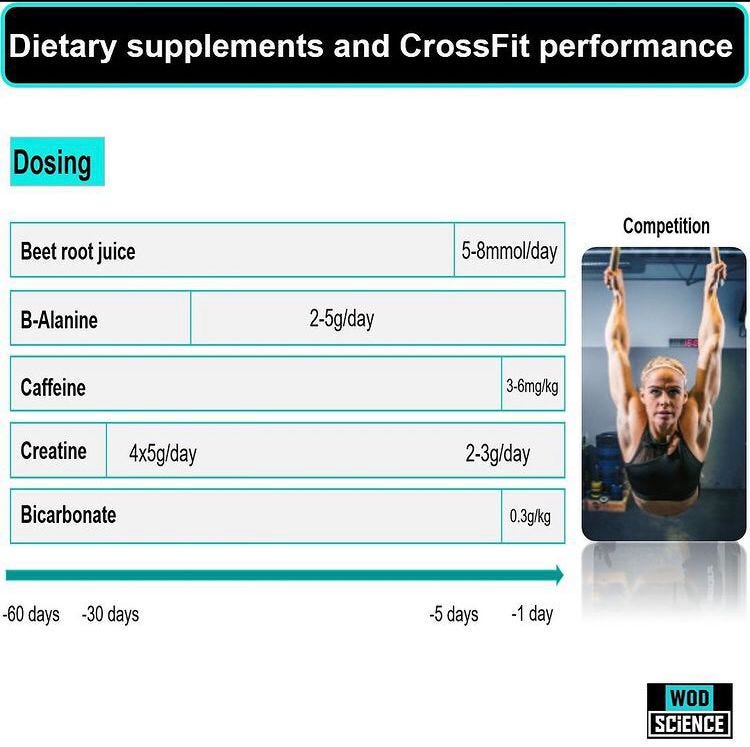
Let us start with an overview, an infographic can be found below the text.
Carbohydrates. Not really a supplement as they are part of everyday nutrition. Decades of research have shown that carbohydrates improve endurance performance, especially in events lasting longer than 1h. This is because the energy systems that are fueled by glucose (simplest carb) produce more power per unit of oxygen that the energy systems that are fueled by fat. Ingest carbs during exercise and you will be able to keep the high power producing systems running for longer. During (training) sessions lasting longer than 1h, aim for 30g carbs per hour. You can increase carb intake during sessions that last even longer that (>1-4h, 60g simple carbs, or 90g mix fructose/glucose)
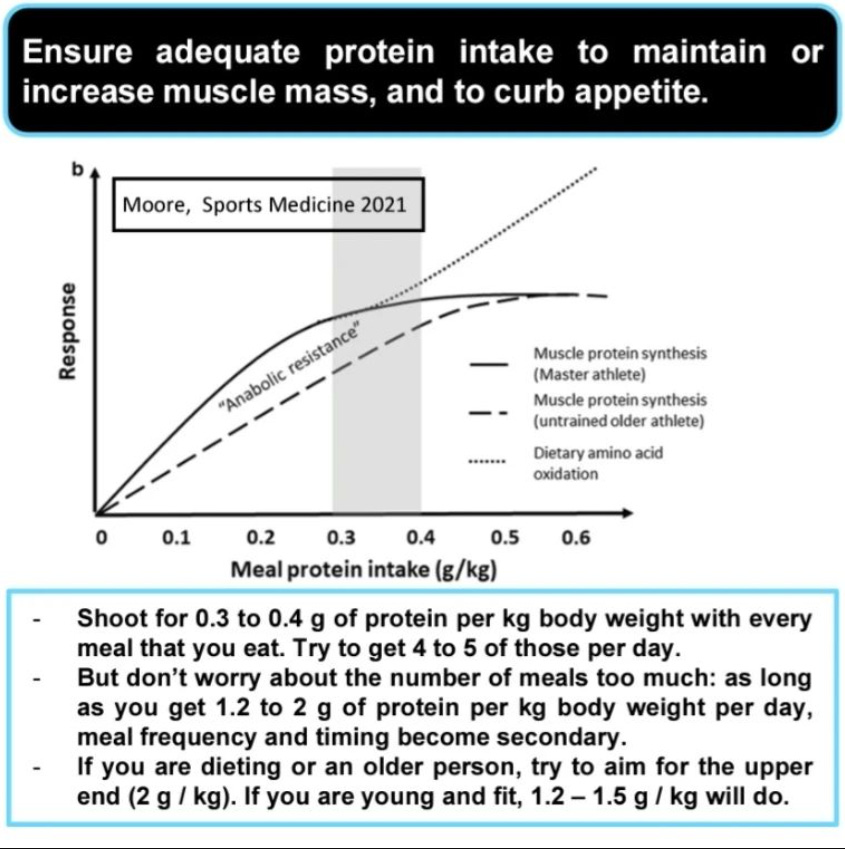
Protein. Again, not really a supplement as proteins are part of everyday nutrition. Especially important to recover from high-intensity exercise. Aim for 1.6g/kg throughout the day. Go for high quality sources that have a high leucine content (meat, whey, pea) and distribute evenly throughout the day. Want to learn more? Check our eBook exactly on this topic: https://cutt.ly/gjsvyHE
Nitrates. Abundant in leafy greens and red beets. Once ingested nitrates are broken down to nitrites in by bacteria in the mouth and then to nitrogen oxide (NO, a gas) in the stomach. Increased NO in the blood dilates the blood vessels and competes with oxygen in the mitochondria to improve efficiency. Nitrate’s ergogenic effect has been shown in multiple studies at various exercise intensities – from continuous moderate intensity, to high-intensity interval training. As mentioned, nitrates are concentrated in beetroot juice. Aim for 5-8 mmol/per day, 5 days leading up to a competition. This corresponds to 500-700ml of beetroot juice, depending on the nitrate concentration. Beware, some beet root juices have a reduced nitrate content.
Caffeine. Oh oh sweet caffeine. Not only tasty because of coffee, but also performance enhancing. Both strength and endurance. Aim for 3-6mg/kg 1h before completion, training. Caffeine improves alertness, reduces pain perception and enhances motor unit recruitment. Beware, caffeine content in coffee can fluctuate tremendously. So it is advisable to ingest caffeine pills to know the exact amount of caffeine you are taking.
Bicarbonate. Good old baking powder. By increasing bicarbonate in the blood, the body is able to buffer the H+ ions that are produced in the muscles by anaerobic glycolysis during high-intensity exercise. In other words, you will reduce the acidification of your blood, which delays fatigue. Beware, sodium bicarbonate is hard on the stomach (high in salts), so test before you use in competition. Aim for 300mg/kg in the hours before exercise.
B-alanine. B-alanine is an amino acid and hence available in nearly all protein-rich foods. Nevertheless, before it can become ergogenic, you will need to supplement it separately because its concentration in foods is too low. B-alanine binds with histidine (another amino acid that is plentiful in the body) to form carnosine. Carnosine has a similar function as bicarbonate. It buffers +H+ ions. This time not in the blood, but in the muscle itself. B-alanine loading has been shown to improve performance in short high-intensity exercise bouts (just as bicarbonate does).
Creatine. Good old creatine, the poor man’s steroids. As we learned from earlier posts, the creatine phosphate energy system delivers energy during short bursts of exercise. For instance a snatch, a box jump, a golf swing. It is super powerful, but cannot last long. Ingestion of creatine increases the creatine phosphate pool, which results better performance, especially in strength-based sports. More training sets can be performed, so you can train harder. Interestingly, the specific mechanisms why creatine is so beneficial are not fully elucidated yet. Aim for 3-5g a day starting 40 days before competition. As creatine is mostly available in meat, vegetarians will benefit the most from creatine supplementation.
Overview with timing and dose:
Go heavy or go home?
A sticking training myth that does not seem to go away in the weightlifting and fitness industry.
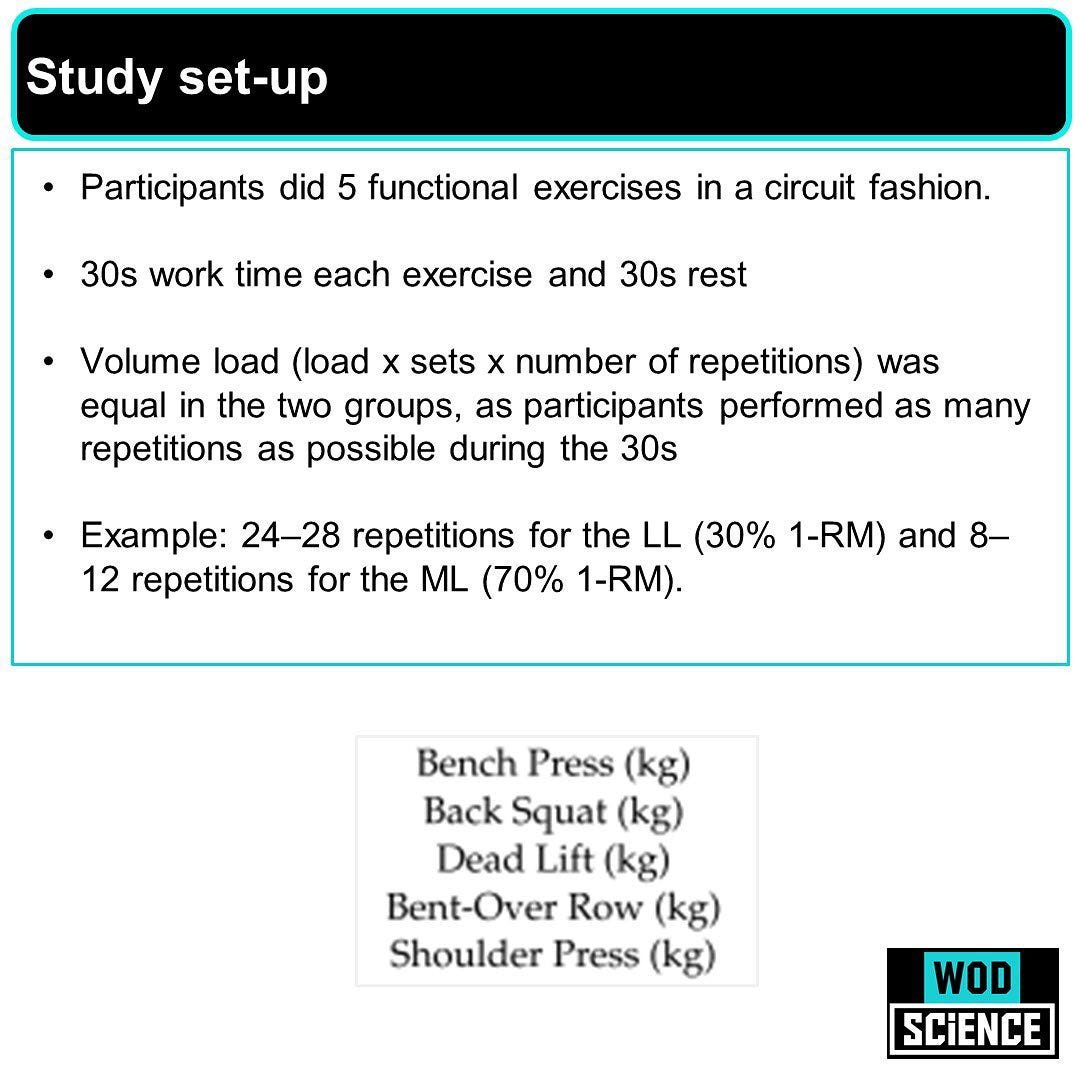
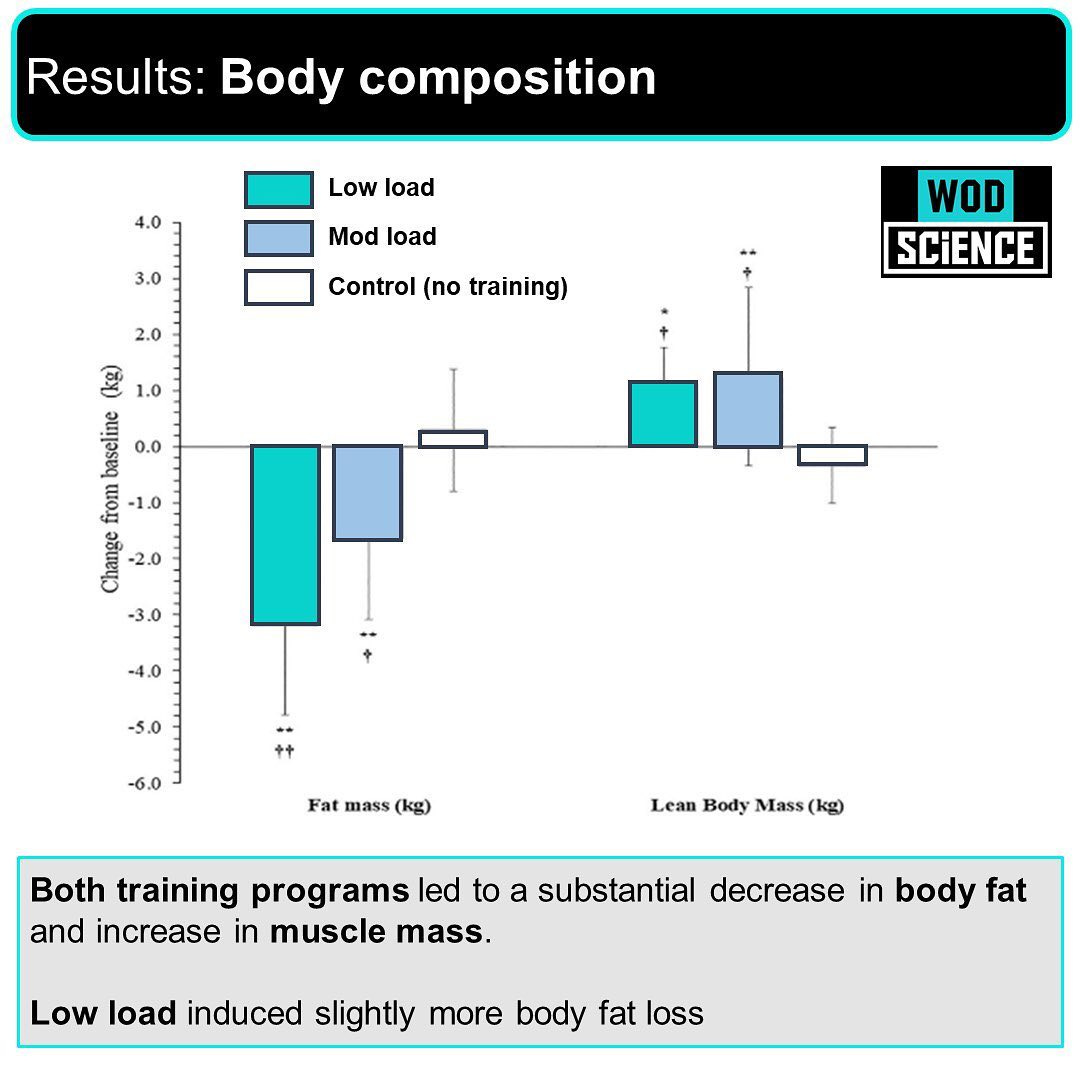
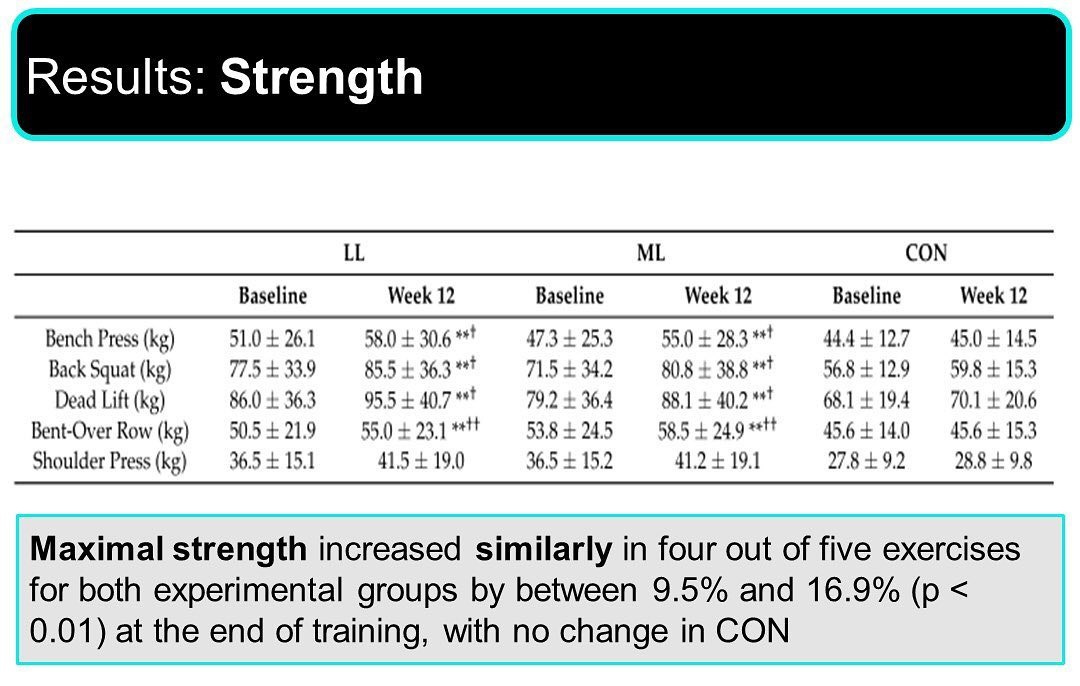
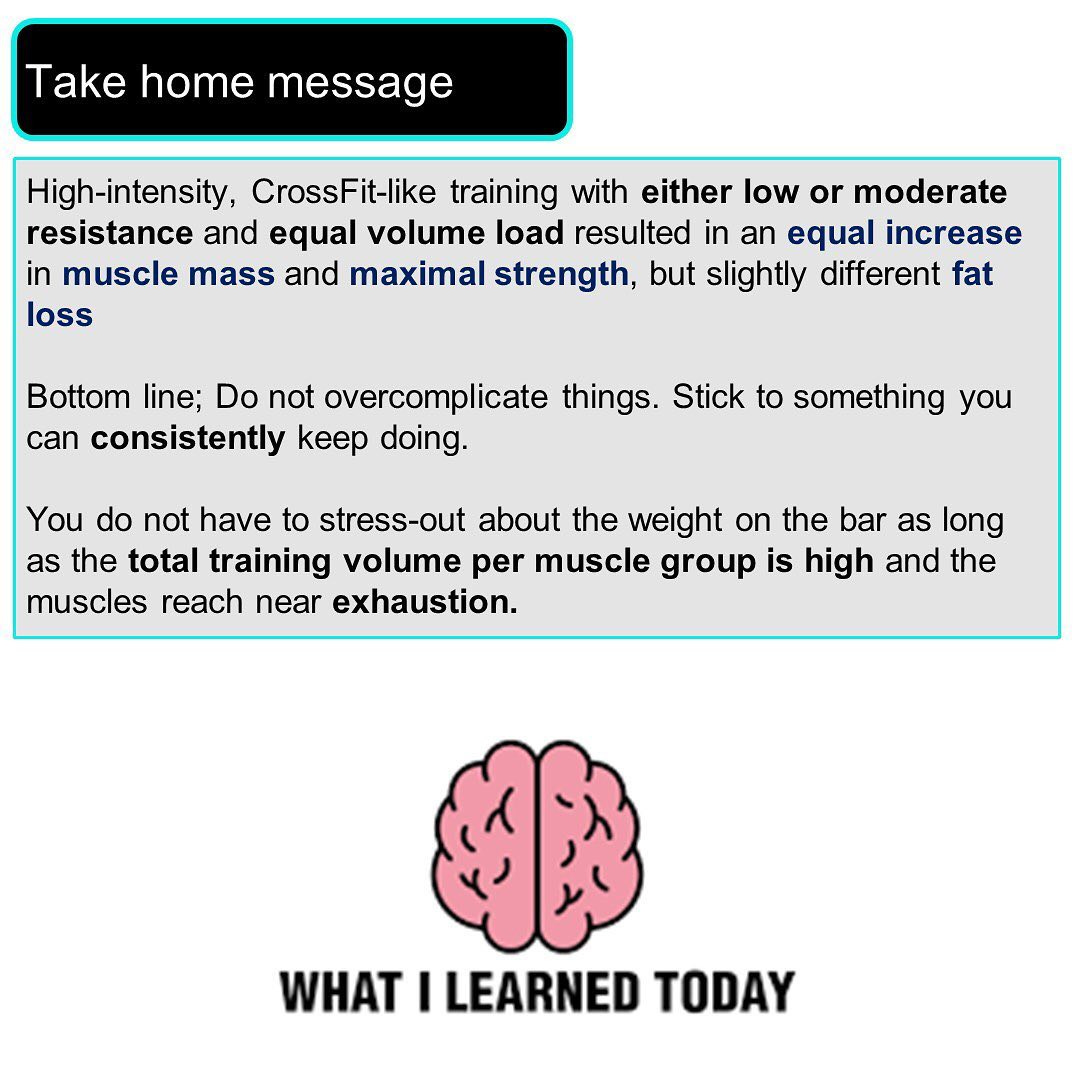
This study shows -again, like dozens of training studies before- that low load (30% 1RM) training can also induce favorable changes in body composition and strength… Just like training with heavier loads. As long as the volume is equated.
Stick to a weight on the bar that you feel comfortable with. Make sure you move well and fatigue the muscles. No need to get dragged into heavy lifts without any form. This will not benefit you on the long term.
Heat training is the new altitude training?
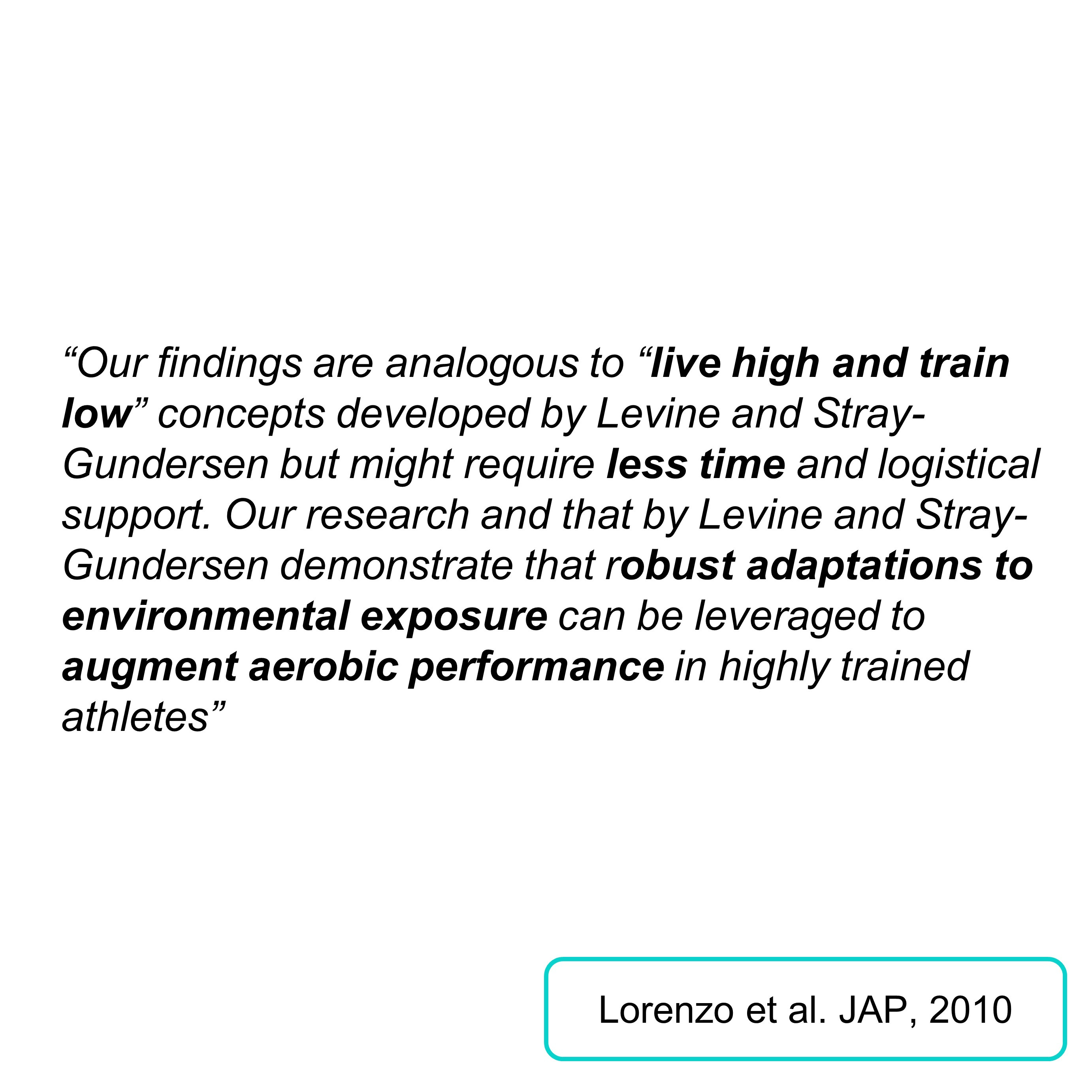
I have done my PhD on the effects of altitude training on exercise performance. While sleeping for weeks at altitude, but training near sea level might be a good strategy to boost performance (live high, train low), I have always been very sceptical about the other approach; live low, train high. With this approach the training sessions are done at altitude, but the athlete sleeps at sea level. We never found any beneficial effects and overall data is inconclusive.
Anyways, this does not mean that changes in the environment where the athlete trains cannot affect performance.
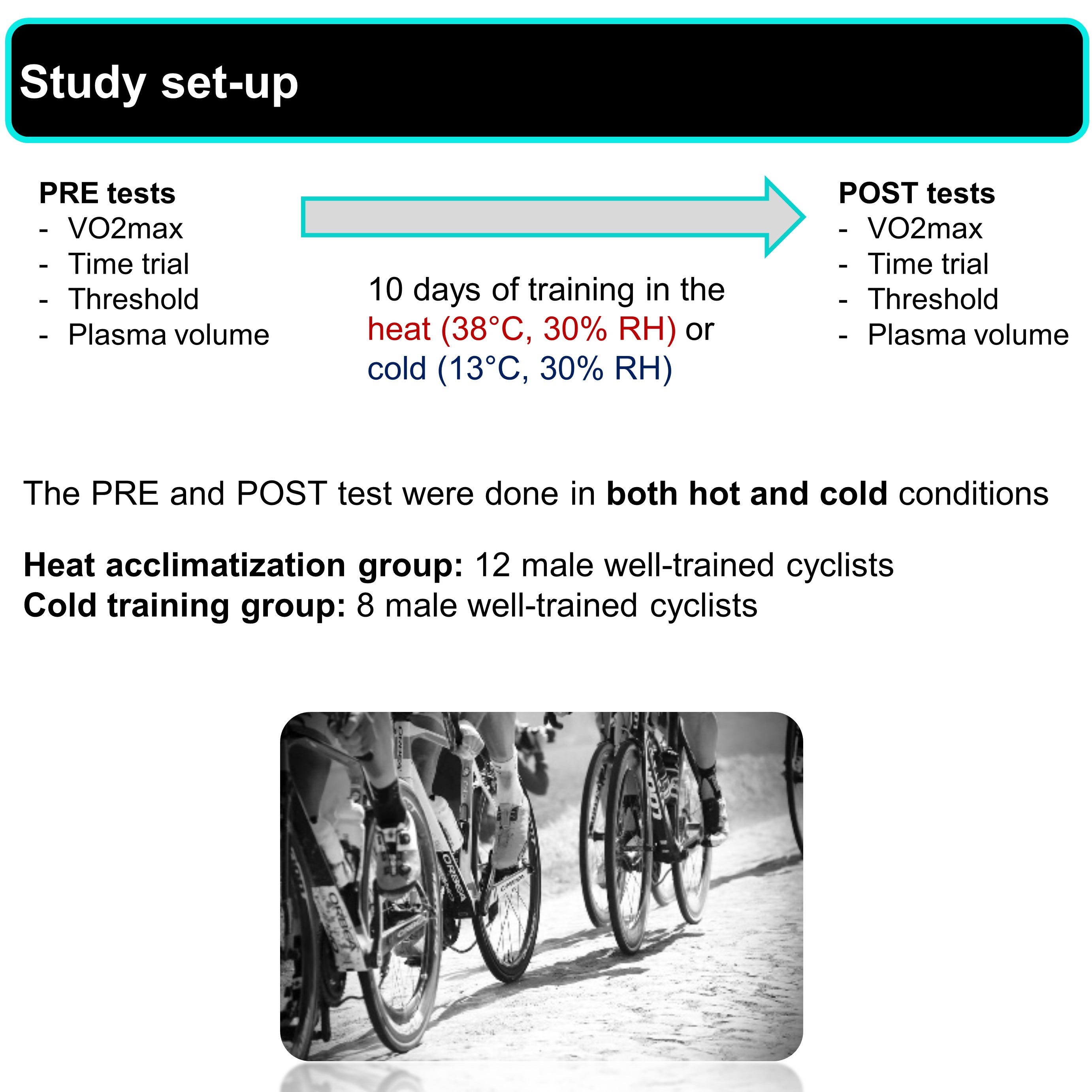
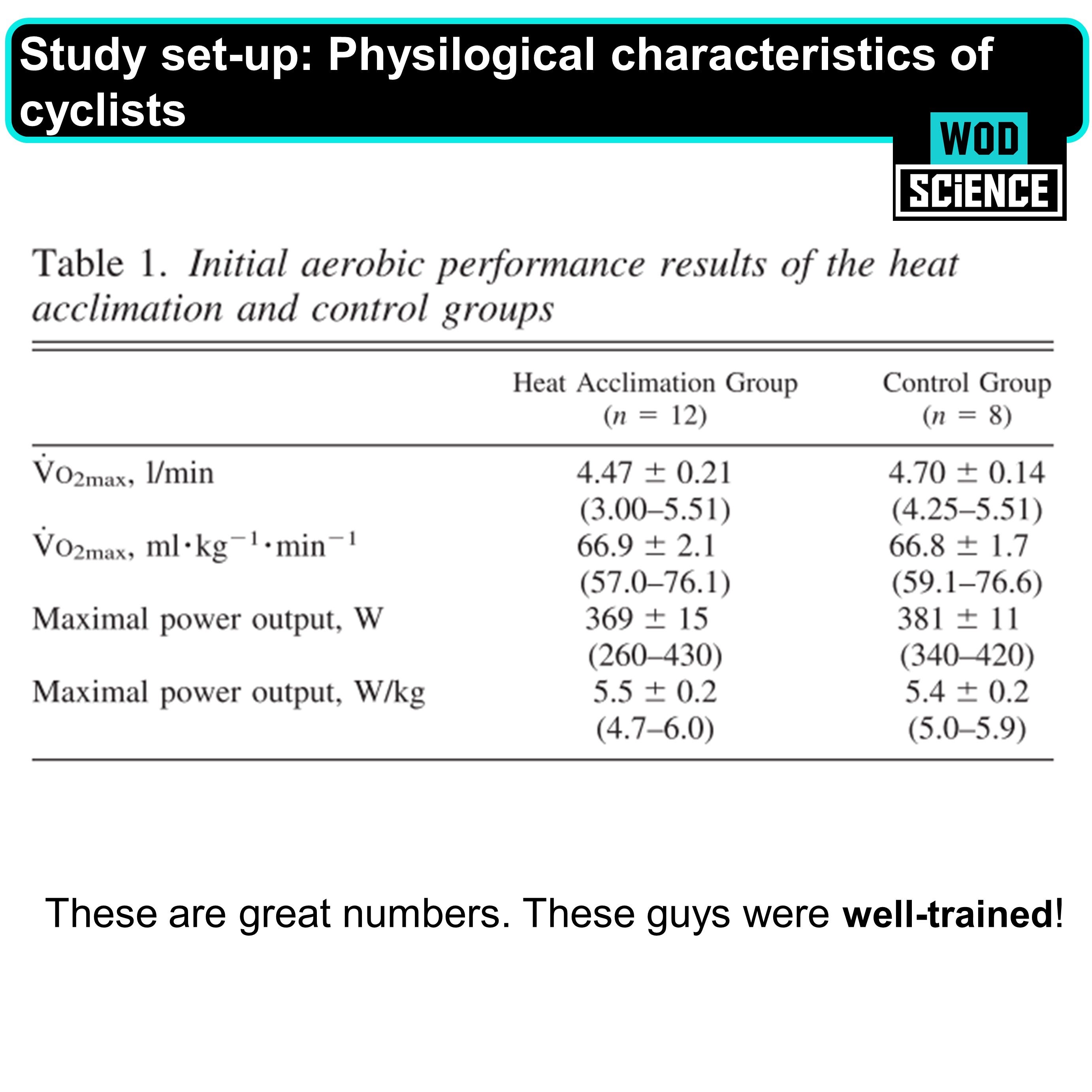
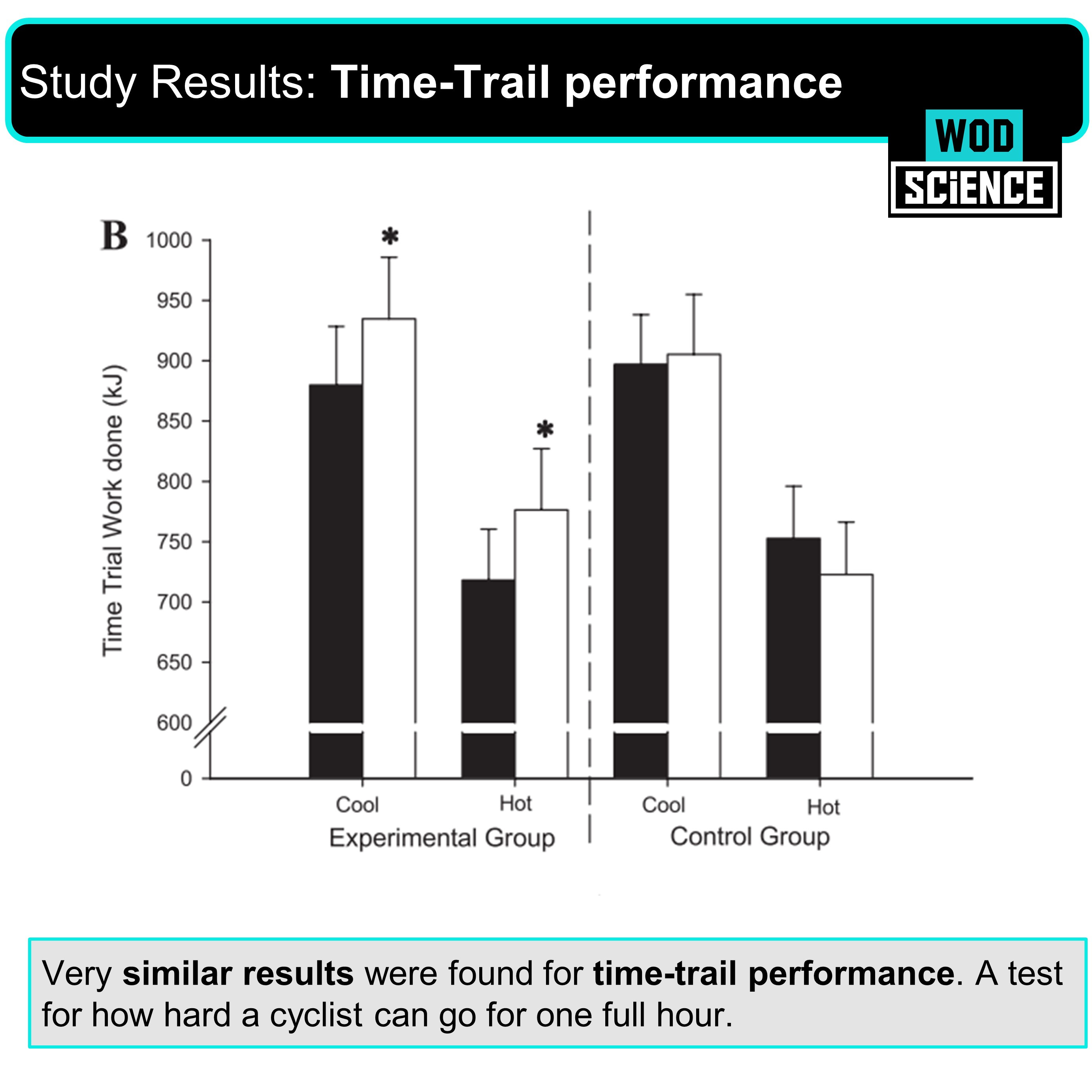
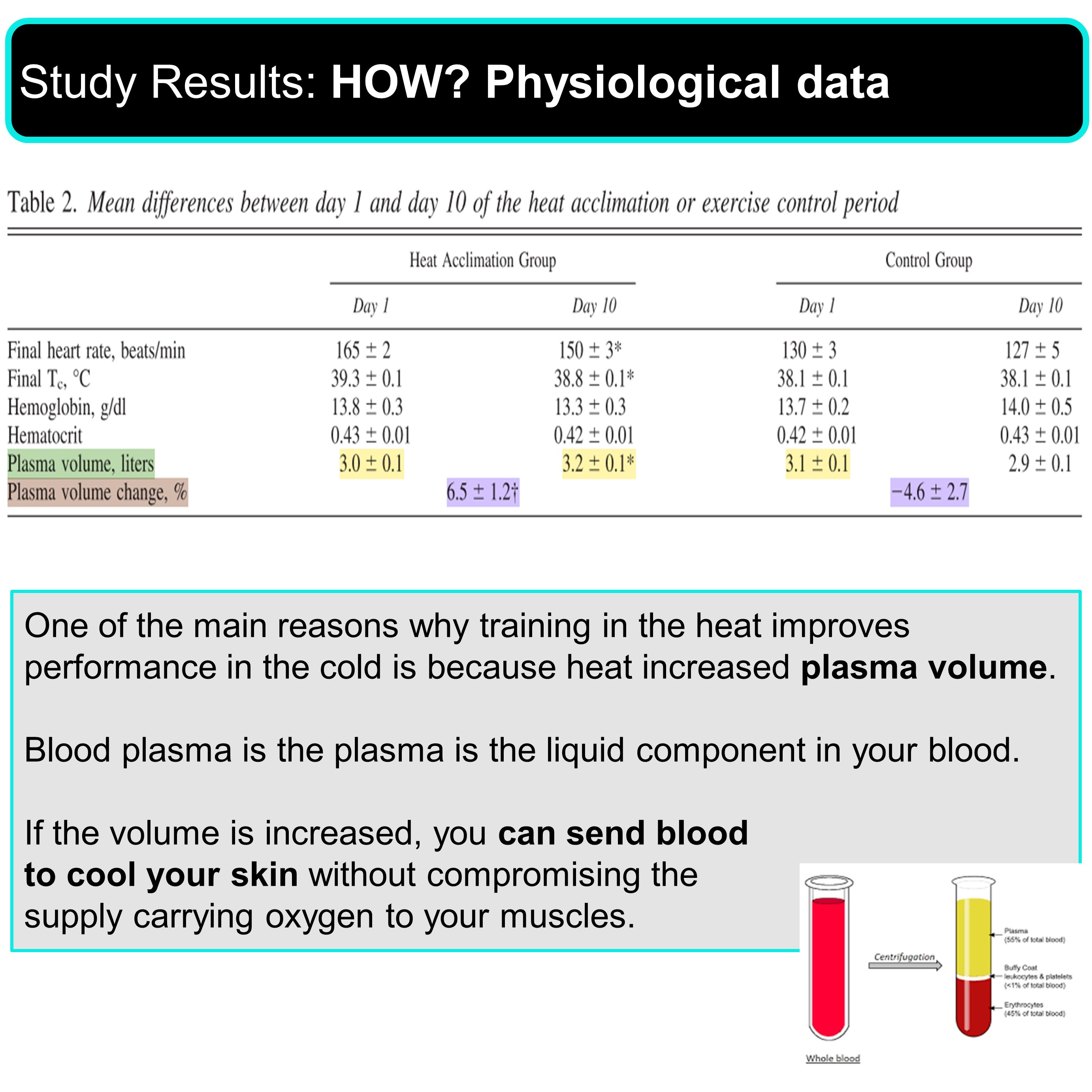
Take a look at this classic heat acclimatization study. Well-trained cyclists had to train for only 10-days in the heat or cold. Before and after different physiological and performance parameters were meticulously tested.
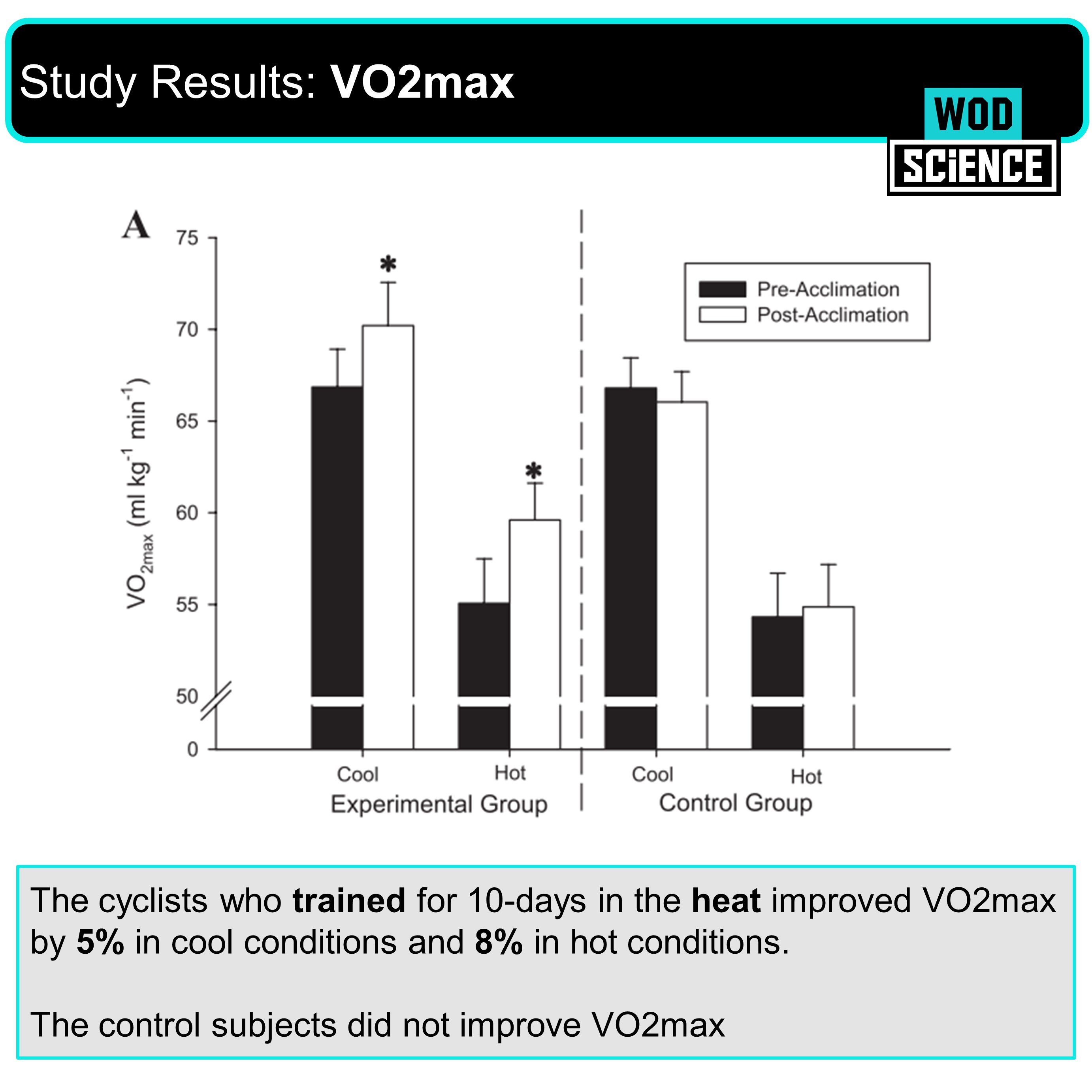
The athletes who trained in the heat increased maximal oxygen uptake AND time-trail performance. The athletes who did the same training, but in the cold, did not improve. Impressive if you ask me. Later studies have confirmed these results.
I you want to have an edge, consider training in the heat.
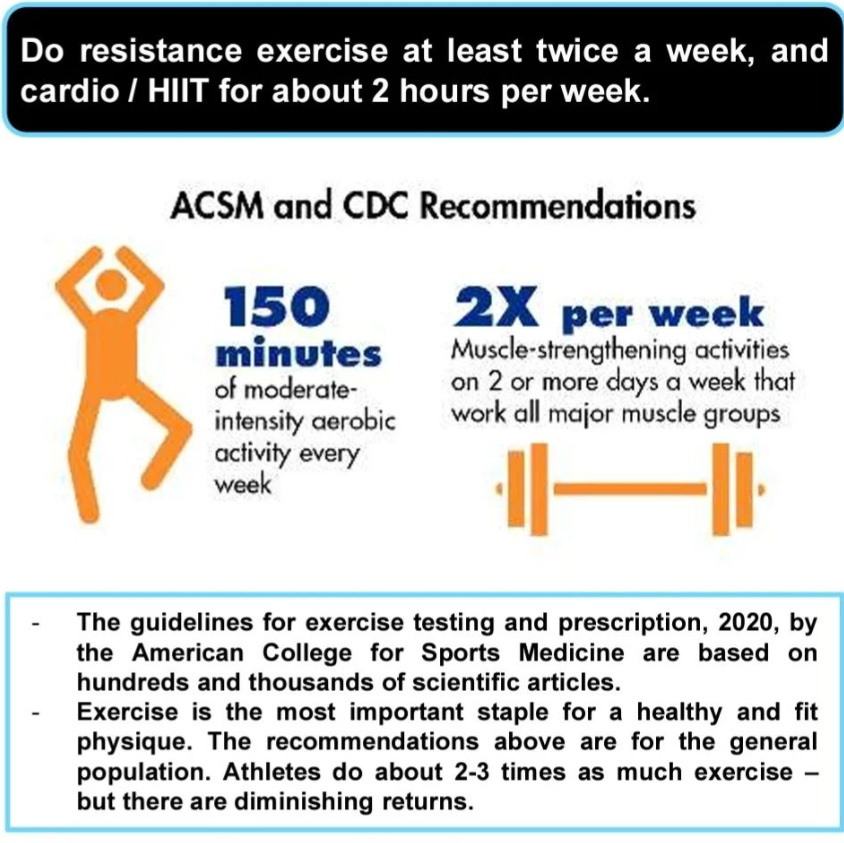
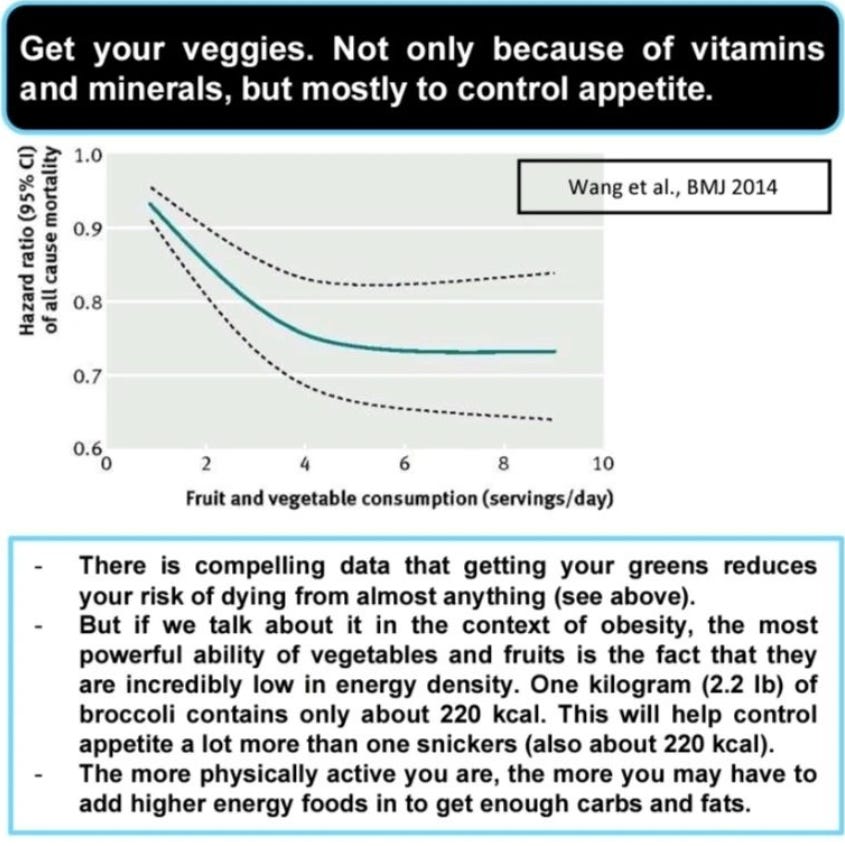
The 3 most important exercise and nutrition habits
Not everything has to be rocket science. The "easier" an advice, the more likely it is to be implemented by somebody.
And epidemiology has shown that the three habits we are promoting here are already difficult enough to bring into your life, if you are not used to them. So if there are only three things you can afford to focus on for your physical health, these are our best recommendations.
Alright, that was it for this week. Hope you liked it. Do not forget to share the newsletter with a friend who might be interested in this stuff.
Cheers,
Wod_science
CrossFit® is a registered trademark of CrossFit, LLC, which is not responsible for our blog